

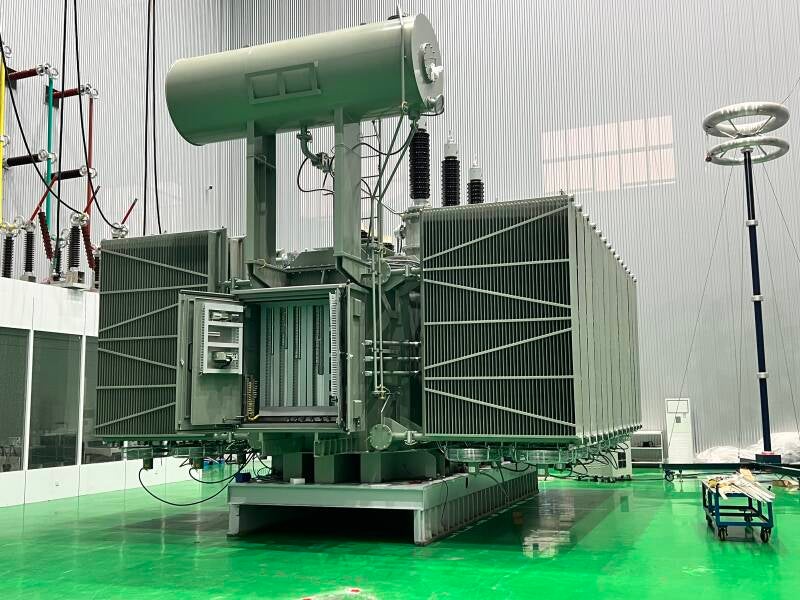
You walk past it almost every day - that sturdy green metal box sitting quietly at the edge of your lawn or tucked beside the sidewalk. Most of us barely notice it. It looks like a big, heavy dishwasher someone forgot to take away. But that unassuming "green box" is actually a pad-mounted transformer, and it's quietly doing some seriously important work.
It's not just a fancy junction box. This thing actively takes the high-voltage electricity coming from the power lines and steps it down to the safe 120/240 volts that your home actually needs. Without it, your fridge, lights, TV, and phone charger simply wouldn't work.
One of these transformers usually serves six to ten homes in the neighborhood. So that little humming box in your yard is also responsible for powering your neighbor's morning coffee and their kids' video games.
Why Does It Need to Step Down the Voltage?
The electricity traveling through the streets is way too strong - often thousands of volts. Plug that directly into your wall and you'd fry every appliance in the house in seconds. The transformer acts like a pressure reducer, dropping the voltage to a safe, usable level.
Inside that metal cabinet, everything is submerged in special mineral oil to keep things cool. All that energy conversion creates a lot of heat, and the oil helps carry it away so the unit doesn't overheat, especially on hot summer days when every AC in the neighborhood is running full blast.
Why Is the Box Always Buzzing?
That low, steady hum you hear? Totally normal. It's caused by the constant magnetic vibration inside as electricity moves between the coils. You'll notice it gets louder on hot afternoons when power demand is high.
Here's a quick way to tell if something's wrong:
Low, steady hum → Everything's fine.
Loud popping, crackling, or banging → Call the utility company immediately.
Dead silence during a power outage → Normal. It just lost its supply.
The 10-Foot Rule: Landscaping Around the Box
It's tempting to hide the box behind tall shrubs or a nice fence for better curb appeal. But utility workers need quick access when things go wrong - especially after storms. That's why there's a strict clearance rule:
10 feet in front (the door side)
3 feet on the sides and back
Plant shallow-rooted grasses, flowers, or movable potted plants instead. If you block access, the utility company has every right to remove whatever's in the way - and they won't pay for new landscaping.
Always Call 811 Before You Dig
Never assume you know where the underground cables are. Even planting a small garden or putting in a mailbox post near the box can be risky. Call 811 before any digging - it's free. They'll come out and mark the buried lines so you don't accidentally hit a live cable.
What to Do If You See Probleme
Keep an eye out for:
Rust or serious damage on the cabinet
Oily puddles that don't dry up (that's probably leaking transformer oil)
Burnt smell or loud unusual noises
If you notice anything off, note the ID number on the box and call your utility's emergency line right away. Don't try to fix it yourself.
Who Actually Owns the Box?
The transformer and the land right around it usually belong to the power company through what's called a utility easement. You can mow the grass and plant flowers, but you're not allowed to paint it, decorate it, or block access. They have the legal right to come onto your property anytime to maintain or replace the equipment.
Your Part in Keeping the Neighborhood Running
Once you understand what that green box really does, it stops being an eyesore and becomes something worth protecting. A quick monthly glance - checking for rust, making sure nothing's blocking it, and keeping kids and pets away - helps everyone stay safe and keeps the power reliable.
It's a small thing, but respecting that humming green box is one of the easiest ways to be a good neighbor.

Create Your Own Website With Webador